Los Angeles – The Ultimate Guide to the City of Angels
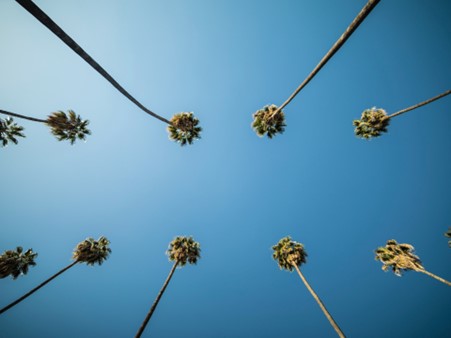
Probably the most sought-after city in the world, Los Angeles is the capital of the American showbiz. However, there is more to Los Angeles than meets the eye. After you’ve had your fill of learning about Hollywood history and seeing luxurious VIP’s mansions, take your time to explore the rest of the second largest and most diverse city in the US. The city of angels is an endless reservoir of natural beauty, sports events and about any artistic expression you can think of.
But to actually reach and enjoy all that Los Angeles has to offer, you need strict planning. In fact, L.A. is very spread out and doesn’t have one city center that organically connects all must-see attractions in the city. Unlike other major north American cities like San Francisco and New York, without proper planning you could feel that you’ve wasted most of your vacation commuting. We’re here to help! Keep this travel guide to hand to make sure you don’t miss out on anything.
TABLE OF CONTENTS
Facts and figures about Los Angeles
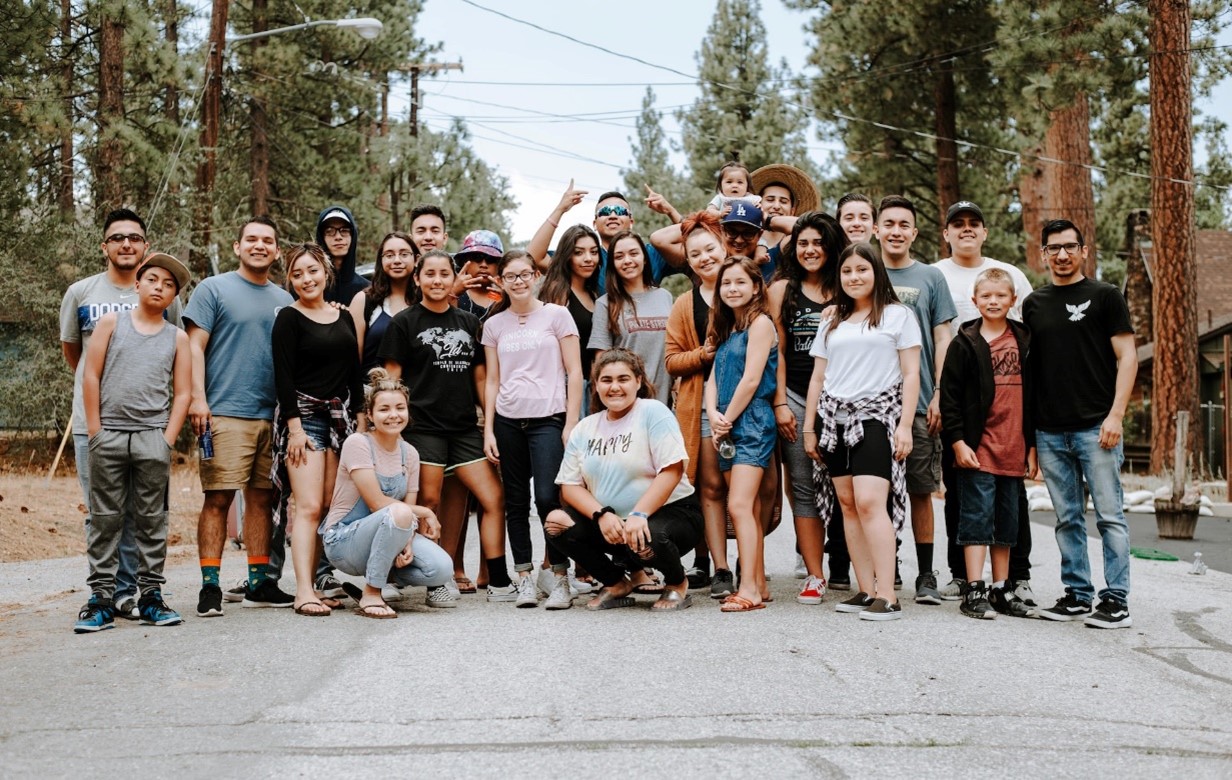
Photo by Omar Lopez on Unsplash. Free to use
In last decade, Los Angeles welcomed record-setting numbers of visitors each year. Many tourists from all over the world find L.A. familiar and bewildering at the same time. But why is that? Well, did you know that Los Angeles is one the most diverse places in the world? L.A. residents come from over 140 countries and speak a whopping 224 different languages. According to a census from 2010, the population of L.A. is:
- 49.8% White
- 9.6% African American
- 0.7% Native American
- 11.3% Asian
- 0.1% Pacific Islander
- 23.8% other races
- 4.6% from two or more races
Unsurprisingly, Hispanic people or Latinos of any race make up to 48.5% of Los Angeles population.
Los Angeles inspires its many visitors to immerse themselves in its diverse culture, explore the never-ending natural amenities it offers and generally to enjoy the open-hearted welcome of all its communities. What else do you want to know about the city? Here’s a breakdown of the most important figures of the city of angels.
Geography, climate & population
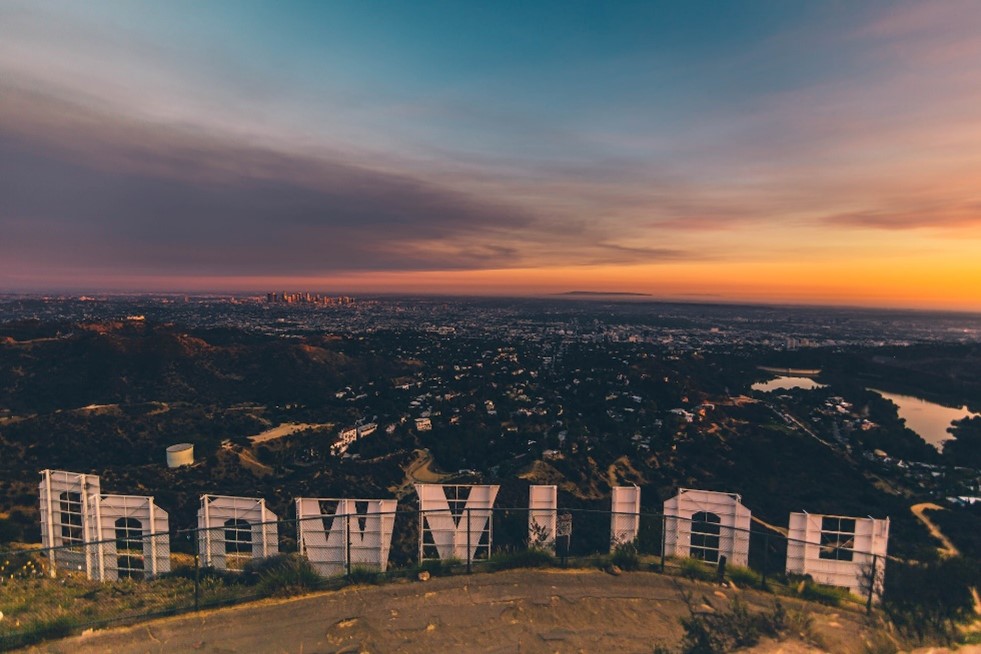
Photo by Izayah Ramos on Unsplash. Free to use
Los Angeles City is both flat and hilly, but for higher mountains you need to actually leave the urban center. In the north, you’ll find the San Gabriel Mountains, where the highest peak, Mount San Antonio (aka. Mount Baldy), reaches 10 064 feet (3 068 m). Thanks to the city’s diversity of habitats, including lush beaches and mountains, Los Angeles has a rich variety of native plants. Unfortunately, some of these plants have become so rare that they’re considered endangered. Lastly, it’s worth mentioning that Los Angeles is sometimes subject to earthquakes, but most low-intensity earthquakes can barely be felt.
Size & Cityscape
Los Angeles is the largest city in the state of California. It extends for around 470 sq miles, that’s around 1200 sq km. The city is composed by many districts, some of which used to be towns and cities in their own right, and that have merged with Los Angeles as it grew over time. This gives to Los Angeles its decentralized character, where each neighborhood has as many touristic attractions and opportunities as the other.
Climate & Geology
Los Angeles is known for its Mediterranean climate, with dry summers and very mild winters. In winter, temperatures average around 68 °F (20 °C), giving the city a tropical vibe without reaching the scorching temperatures of a true tropical climate. Summer usually goes by with no rain at all, but the seasonal change in late summer brings brief thunderstorms.
The many fault systems running throughout Los Angeles lead to several earthquakes per year. Los Angeles is in fact located on the Pacific Ring of Fire, giving the area a certain geological instability. Although many people in LA County feel the ground shaking a couple times a year, most of these earthquakes are mild or moderate and cause little damage.
Due to its climate and geology, Los Angeles is particularly vulnerable to the consequences of climate change.
Population & Standards of Living
As the second most populous city in the United States (ranking after New York City) Los Angeles is home to roughly 3.9 million people as of 2020, but against popular belief, not everyone in Los Angeles is rich.
It’s true that the top 5% of earners in LA cane make more than $500,000, and that to be financially comfortable in the city you’d need a net worth of roughly $1.3 million, however the annual salary in Los Angeles averages at $67,057.
This means, that a good part of the almost 4 million people living in Los Angeles doesn’t earn enough to live comfortably in the city. The minimum wage in the state of California is $14-15 an hour depending on the size of the company.
Los Angeles districts and suburbs
Until the 1920s, Los Angeles had a fairly ‘traditional’ urban pattern, with one centralized commercial area. However, with the economic expansion that turned Los Angeles into a manufacturing center, came also a rapidly increasing number of residents. Especially with the immigration wave of the 50s, many manufacturing firms were built in the suburbs where cheaper accommodation was more readily available for the workers. The traditional, centralized and walkable city gave way to a decentralized network of communities, tightly connected with the freeway also built in the 50s. From chic Hollywood to the hippest food trucks, Los Angeles diverse population has given rise to unique districts that have their own vibe, lifestyle and culture.
Hollywood
Have you even seen Los Angeles if you didn’t walk through Hollywood? The stars and starlets of the American showbiz have famously made Los Angeles their home of choice – and this district is where you’ll find them. As soon as you can, head towards the Hollywood Sign. A picture with this cultural icon is a must.
Venice
Located in the Westside of Los Angeles, this district is called Venice due to its canals, beach and Ocean Front Walk. Palm trees, skaters, street musicians, delicious street food and street art: Venice is where all the locals flock to. Enjoy the relaxed atmosphere and feel like a true Angeleno on the beach.
Downtown L.A. or the Art District
This district is as cool as its name sounds. This is urban area is known for its colourful street art all the art galleries that make up the art scene in Los Angeles. This is considered one of the best areas to stay in while in L.A., as it is packed with attractions such as the Grand Central Market and the Staples Center, as well as some of very best bars and restaurants in the city.
Chinatown
This district is only a stone's throw away from downtown and is widely appreciated for its huge offering of Asian delicacies. Immerse yourself in the vibrant culture of the district walking along Hill Street and Broadway, north of Cesar Chavez Avenue. If you happen to be here in the summer, swing by Chinatown Plaza and you’ll have your pick of festivals and events.
San Fernando Valley, or the Valley
In the Valley is where you’ll find many of the most iconic film studios such as Warner Bros and Walt Disney. In addition, it is home to the Universal Studios Hollywood theme park. In actuality, only 80% of the Valley belongs to the urban area of Los Angeles, and only recently many numerous development projects are also including this district.
Santa Monica, Beverly Hills, Bel Air and Pasadena
Contrary to popular belief, none of these towns are districts of Los Angeles. These are independent communities that belong to Los Angeles County beyond the city limits. Nonetheless, these suburban areas are all worth visiting if you wish to feel like a local.
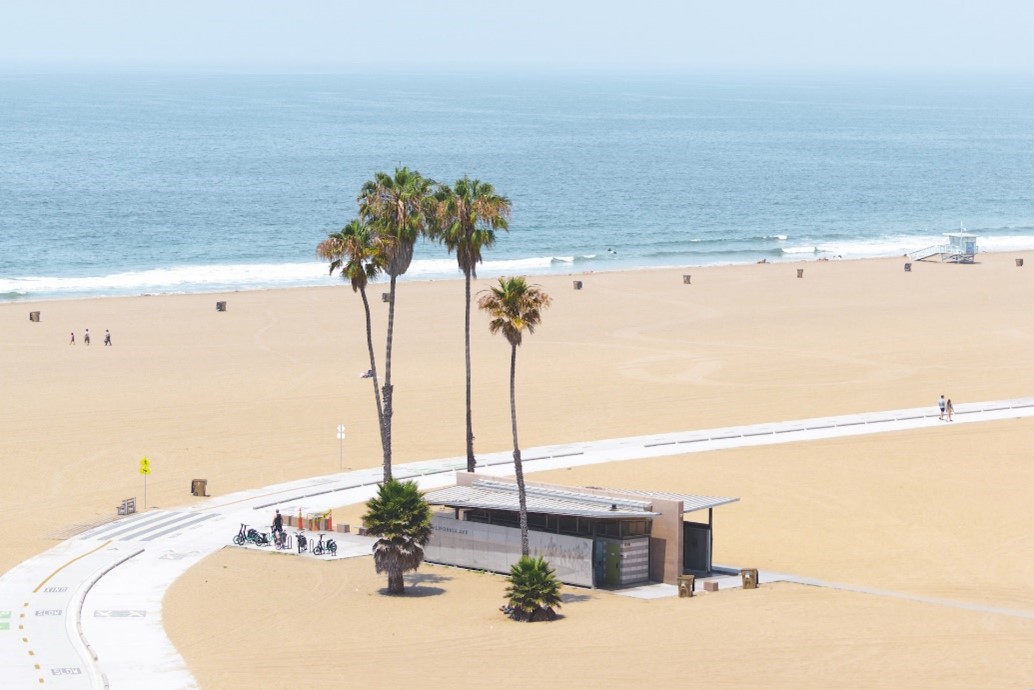
Photo by Seth Maughan on Unsplash. Free to use
Where to sleep in Los Angeles
Due to its decentralized nature, it’s not as easy to choose where to stay in Los Angeles as it would be in another major city. There are many things to do in L.A. in many different districts. Fortunately, you’ll find all kinds of accommodations located in all districts of L.A. and at drastically different prizing points.
Los Angeles offers, in fact, hundreds of hotels with more thousands of rooms to choose from. The city’s hotel offer grows bigger each year following the increasing demand of the tourism industry. That’s why our best recommendation, when choosing where to sleep in L.A., is not to choose the best hotel, but to rather look at the best district.
What’s the point of sleeping comfortably if you spend all your time commuting during your stay? To give you a better idea of the district for you, here are some of the best attractions of the city and where they’re located:
| Attraction | L.A. District |
|---|---|
| Walk of Fame | Hollywood |
| Hollywood Sign | Hollywood |
| Universal Studios | Hollywood |
| OUE Skyspace | Downtown L.A. |
| Rodeo Drive | Beverly Hills |
| Santa Monica Pier & Beach | Santa Monica |
| Venice Beach & Boardwalk | Venice |
| Disneyland Park | Anaheim (outside L.A.) |
| Griffith Observatory | Hollywood |
| Getty Center | Brentwood |
| The Huntington | San Marino |
| Grand Central Market | Downtown L.A. |
| Hollywood Bowl | Hollywood Hills |
| Los Angeles County Museum of Art | Wilshire Boulevard |
| The Broad | Downtown L.A. |
Once you choose your district, you can see if any of the following suggestions fit your schedule (and budget!).
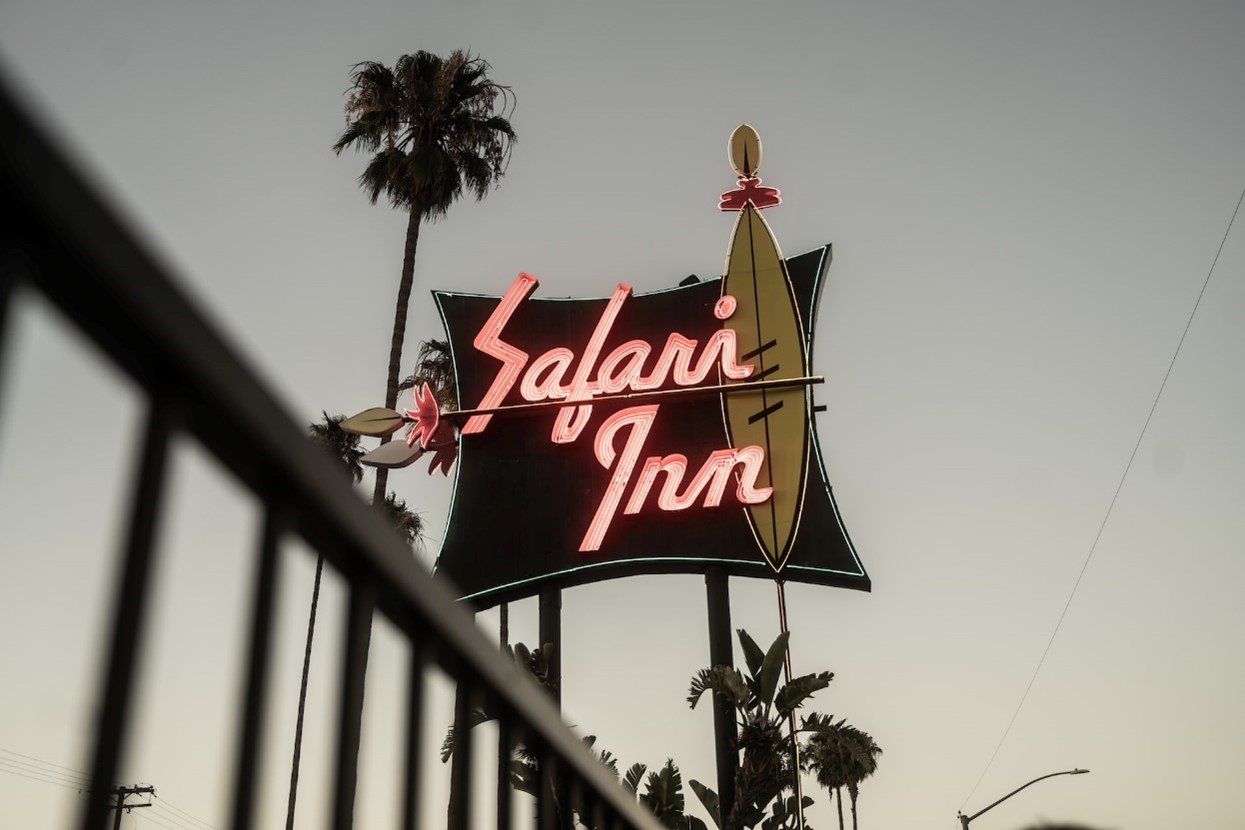
Photo by Brendan Stephens on Unsplash. Free to use
Where to stay in Beverly Hills
- Hotel Sirtaj ($$$)
- Elan Hotel($$$)
- Four Seasons Hotel Los Angeles ($$$$)
- Hotel Waldorf Astoria ($$$$)
Where to stay in Hollywood
- Samesun Hollywood ($)
- Hollywood Historic Hotel ($$)
- Hilton Los Angeles/Universal City ($$)
- Loews Hollywood Hotel ($$$)
- Kimpton Everly Hotel ($$$)
Where to stay in Venice
- Samesun Venice Beach ($)
- Beach Oasis ($$)
- Inn at Venice Beach ($$$)
Where to stay in Downtown Los Angeles
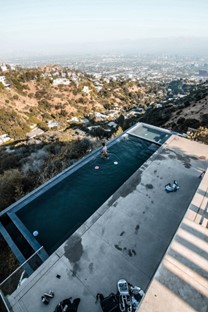
- Freehand Los Angeles ($)
- Westin Bonaventure Hotel ($$)
- Millennium Biltmore Hotel ($$)
- The Ritz-Carlton ($$$$)
Where to stay in Santa Monica
- SureStay Hotel by Best Western Santa Monica ($$)
- Gateway Hotel Santa Monica ($$)
- Viceroy Santa Monica ($$$)
Where to stay near the Airport
- LAX Teresa B&B ($)
- Los Angeles Airport Marriott ($$)
- Hyatt Regency Los Angeles International Airport ($$$)
Hostels to stay at when in Los Angeles
- Orange Drive Hostel, in Hollywood
- The Venice Beach Hostel, in Venice Beach
- HI Los Angeles, in Santa Monica
- Santa Monica Motel, in Santa Monica
The past few years have also brought a new generation of boutique hotels to the city of angels. Each with their own unique style, a special mention goes to these hotels: Hotel Covell, The LINE, DTLA Proper Hotel, Short Stories, Mama Shelter LA, and Shay in Culver City.
Top attractions & cultural highlights in Los Angeles
Los Angeles has a never-ending list of attractions that ensure year-round entertainment. Such a culturally diverse city was always bound to become a creative powerhouse of the US and, of course, you wish to see it all. However, the sprawling city of Los Angeles makes reaching all its key destinations a challenge in itself, not to mention the scorching temperature that might render waiting times almost unbearable during the warmest months. Luckily, recent upgrades to the public transport system have made getting around a lot easier. To help you plan a reasonable sightseeing itinerary, we’ve prepared a list of top attractions and cultural highlights in Los Angeles.
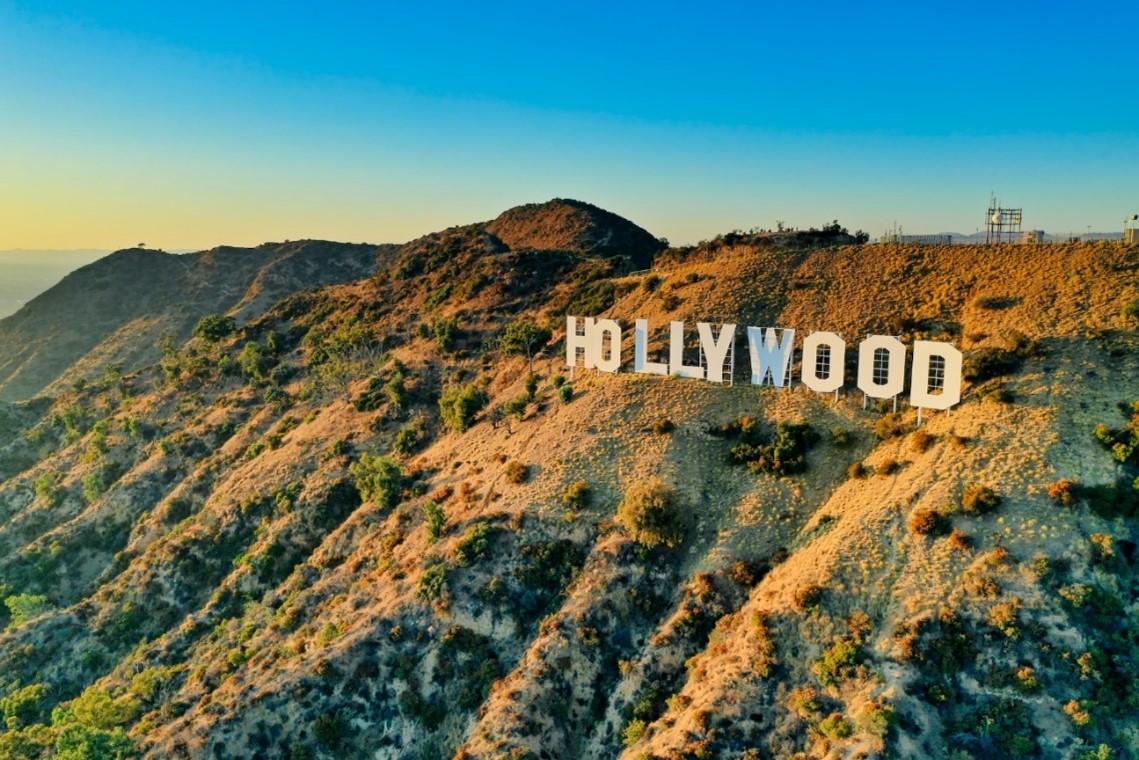
Photo by Venti Views on Unsplash. Free to use
Venice Beach
If the reason you’re visiting Los Angeles is to enjoy a walk between the palm trees, watch the skaters racing around doing stunts, and explore the coast of L.A. while eating Poke Bowls, Venice Beach is the right choice for you. Sunseekers will find plenty of things to do, in fact if you plan your trip in advance, make sure to book some surf lessons or yoga classes to get the most out of your L.A. experience.
→ Highlights of Venice Beach: the Boardwalk, the Muscle Beach, and the Venice Skate Park.
Walk of Fame
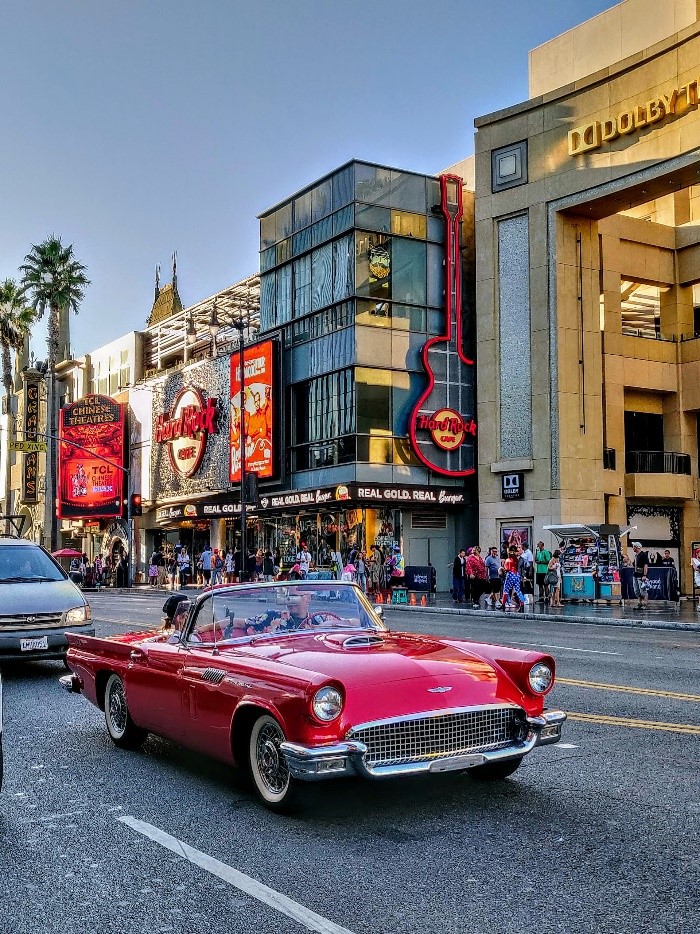
What is a trip to L.A. without a visit to the Hollywood Boulevard and the Walk of Fame? Probably one of few free attractions of Los Angeles, the Walk of Fame is runs fifteen blocks along Hollywood Boulevard, along which you can find many restaurants, classic movie theaters, museums and – of course – celebrity impersonators! If you time your trip with the Academy Awards, this is where you’ll find the Dolby Theater - where the famous ceremony is held.
Highlights of the Walk of Fame: celebrity stars and impersonators, the Hollywood Highland Center, and the Dolby Theater tour.
Beverly Hills
Just about anything you associate with luxury, fame and wealth can be found in Beverly Hills. In fact, it’s well-known that Hollywood stars have made Mulholland Drive in Beverly Hills their home and some stars’ villas are even open for tourists to visit. If you enjoy celebrity gossip and shopping, you’re in for a treat.
→ Highlights of Beverly Hills: Rodeo Drive, Greystone Mansion and Gardens, Will Rogers Memorial Park, and the Trolley Tours.
Hollywood Sign
There is nothing more iconic and so quintessentially L.A. than this sign towering over the hills. To get a good shot of the sign we recommend travelling along Mulholland Highway or trying your luck on a clear day in the Griffith Observatory and Lake Hollywood Park. And although some tourists will choose to spare themselves the hike up the hill to get a close-up of the Hollywood sign, getting a picture of it when they visit the Highland Center instead, we highly recommend the trip. A tour to walk up to the Hollywood Sign takes about 2 to 3 hours, but it is definitely worth your time.
→ Walk-up the Hollywood Sign: 4 miles total, 2-3 hours, little to no shade. Bring sunscreen, hat or other head coverage, and lots of water.
Universal Studios Hollywood
Did you know that the Universal Studios is the only working movie studio and theme park in the world? We can’t recommend it enough, because there’s really something for everyone at the Universal Studios. Take an insightful tour, try the most thrilling rides and, of course, enjoy family-friendly attractions where the little ones are as welcome as you are.
→ Highlights of Universal Studios: The Wizarding World of Harry Potter, Jurassic World – The Ride, Springfield (The Simpson’s ride), and the Studio Tour.
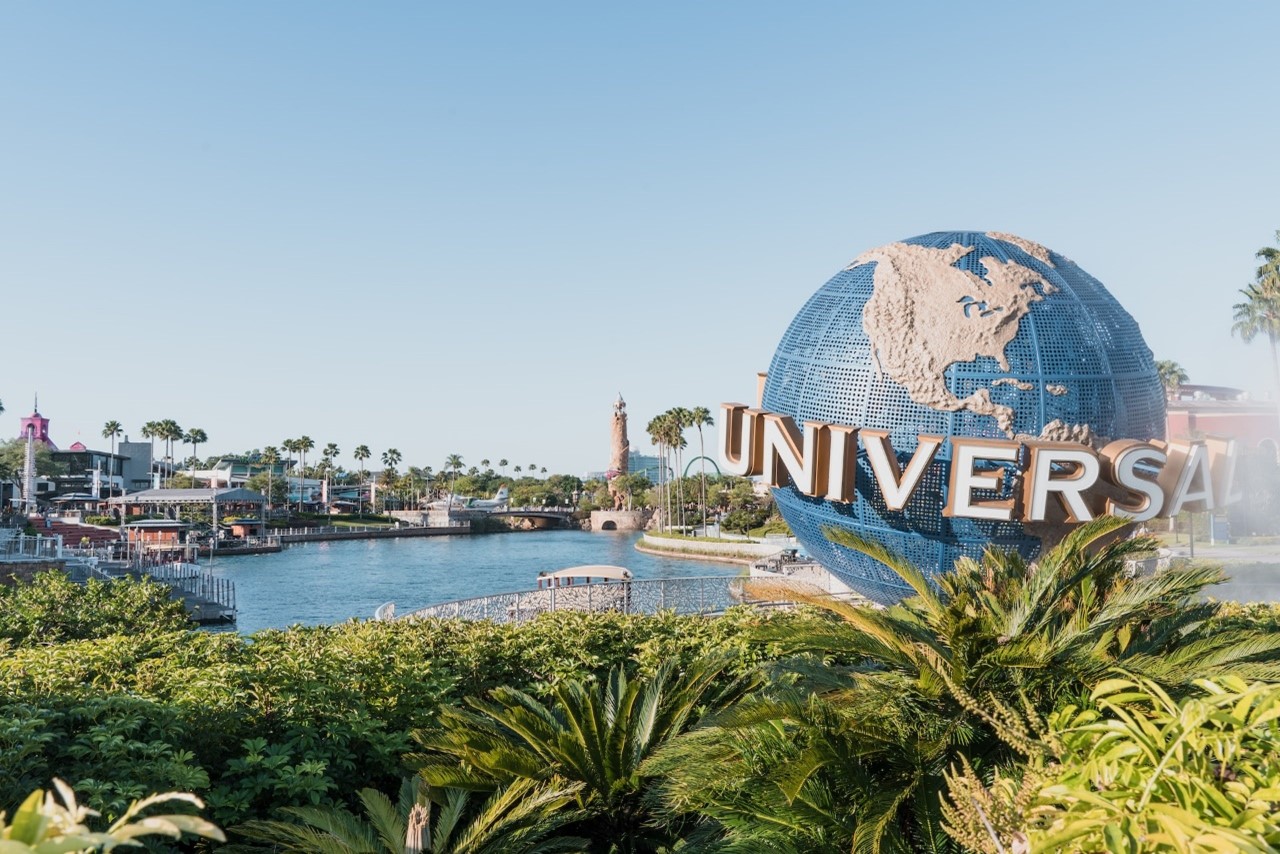
Photo by Aditya Vyas on Unsplash. Free to use
Disneyland Park
This is a favorite attraction for tourists and Angelenos alike. It doesn’t matter how often you’ve been to the Disneyland Resort, there will always be something new to see. This enormous multi-park resort complex is a place to marvel at. Just avoid visiting the park without a plan and make sure to make the most of your trip by buying tickets online first.
→ Recommendations for Disneyland Park: plan a 2-day visit and book a hotel nearby, get to the park before it opens and get a locker. Check the Disneyland app for wait times at attractions.
Santa Monica Pier & Beach

Photo by Matthew LeJune on Unsplash. Free to use
One of the most popular activities at Santa Monica Pier is fishing, ad has been since the early 1900s when it was first built. However, you should be sure to get your camera ready to snap the most stunning views of the ocean and the Santa Monica Mountains while you’re there too. For the foody tourists: don’t miss out on the Santa Monica farmers’ market.
→ Highlights of Santa Monica Pier: the Looff Hippodrome, the Santa Monica Yacht Harbor neon sign, and the Original Muscle Beach.
Most iconic street food in Los Angeles
Food is cultural, and culture can be transmitted through food. Los Angeles has some of the best street food on offer in the US. In fact, as people from all over the world have settled here and brought the most amazing food from their respective countries with them, the street food scene in L.A. deserves a whole tour for itself. Basically what we’re trying to say is: yes, tacos are amazing, but there’s so much more food to explore on the streets of Los Angeles.
| Elote: a simple vegetable treat, prepared with crumbled cotija cheese, mayonnaise, lime and margarine | Raspados: the Mexican version of shaved ice, a staple for many Angelenos during the torrid Californian summers |
| Tamales: an easy, choose-your-own-filling quick bite (often chicken or pork) that will keep your hunger at bay until your next meal | Tejuions: a fermented drink made from boiling brown sugar topped fresh lime juice, salt and ice |
| Bacon-wrapped hot dogs: ever-present in every food guide of L.A., these hot dogs taste divine after a night out drinking | Churros: fried dough covered in cinnamon, and sugar? Um, yes please. |
A special place on every food guide of Los Angeles is reserved for tacos. We’re sure that this needs no introduction. The taco scene in Los Angeles is rich and vibrant, thanks to the typical taco stands spread throughout the city, but also to new Instagram-ready street vendors that gain thousands of followers overnight. Whether you wish to get your taco from a taco stand or at a hidden spot only for those in-the-know, you’re in for a treat.
Best and trendy restaurants in Los Angeles
Los Angeles attracts all sorts of people for all sorts of reasons, and if you’re a foody, you’re in luck! Los Angeles offers many restaurants that take a provocative stance in the global food scene, where many chefs and restaurants have also the opportunity to become media personalities. For those who enjoy food as an experience and are looking for the “next big thing”, Los Angeles is the place to be. Curious to see what the city of angels has to offer in terms of fancy and romantic restaurants? From Santa Monica to Downtown L.A., from Hollywood to Venice and beyond, here are some of the trendiest restaurants in Los Angeles.

Photo by Jay Wennington on Unsplash. Free to use
Romantic restaurants in Los Angeles
- Nobu Malibu: the perfect choice when looking for a table with a view. Enjoy the ocean waves just a few steps from the Malibu Pier in this famous temple of food. The legendary fish menu of Nobu Malibu will take you on a journey through Peruvian-inspired recipes and it has a particular L.A. twist we all know and love.
- Hansei: a pearl of Little Tokyo where your dinner will literally take you from the lush outdoor gardens of the starters to the “chef's counter” inside for the main courses, and then back outside to the garden for dessert. You can set your own pace for enjoying all the elements of this luxurious and dynamic dining experience.
- LA Cha Cha Chá: you’re looking for the most Mexican experience in Los Angeles? Sneak into this Mexican escape in the Arts District of L.A. to enjoy the seafood and the wander-lusting aesthetic and hop on a short trip to paradise.
Michelin-starred restaurants in Los Angeles
- Ardor: you’re bound to wow your date with this Michelin-starred restaurant, a favourite with vegetarians. Why? Just have a look at the breathtaking interior garden and the vegetable-focused menu.
- n/naka: famous from featuring on season 1 of Netflix's Chef’s Table (first season), the owner and chef of this restaurant is Niki Nakayama, who wows with a particular style of Japanese cooking called kaiseki. The chef will decide the progression of tastes and textures you’ll enjoy during your 13 course-meal. Interested? We sure are!
- Cut: if this is your first time in the US, you can’t miss on a good ol’ steakhouse. Beverly Hills is home to many but this one if certainly a cut above the rest. Their international take on the American classic allows every diner to choose more than just how the steak is cooked, but also where the meat comes from.
- Gucci Osteria: at the intersection of fine dining and fashion, as one would expect from its name, we find Gucci Osteria. The world-renowned chef Massimo Bottura also runs an osteria in Florence (first of its name) and is sure to bring only the best of Tuscany’s cuisine to your table with, of course, the inevitable and enjoyable Californian twist.
- Pasjoli: for French cuisine lovers, Pasjoli is a bistro that will elevate even the most understated onion soup. You can’t go wrong in choosing any dish if you dine at the Pasjoli, but we definitely recommend the foie de poulet à la Strasbourgeoise. This is a dish you’ve just got to try, promise.
Nightlife in Los Angeles
As one of the nightlife capitals in the world, we have no doubt that you’ll find exactly what you’re looking for in Los Angeles. Literally every night is party time here. The city has a virtually endless offer of entertainment, from extravagant one-in-a-lifetime spaces to sophisticated venues with themed décor. In particular, L.A.’s LGBTQ-friendly bars welcome guests of all identities and orientations on their dance floors. In fact, once headquartered in West Hollywood, the LGBTQ scene has become as decentralized as Los Angeles itself. You’ll know find headliners of the queer scene in in Silver Lake, Downtown L.A. and other venues sprinkled everywhere in the city.
Given the big competition, you’ll find that promotional deals are in abundance, allowing you to enjoy the city nightlife on a budget, too. However, if you’re ready to splurge, google your favorite DJ or music group: all the major headliners are bound to pass through the city of angels sooner or later.
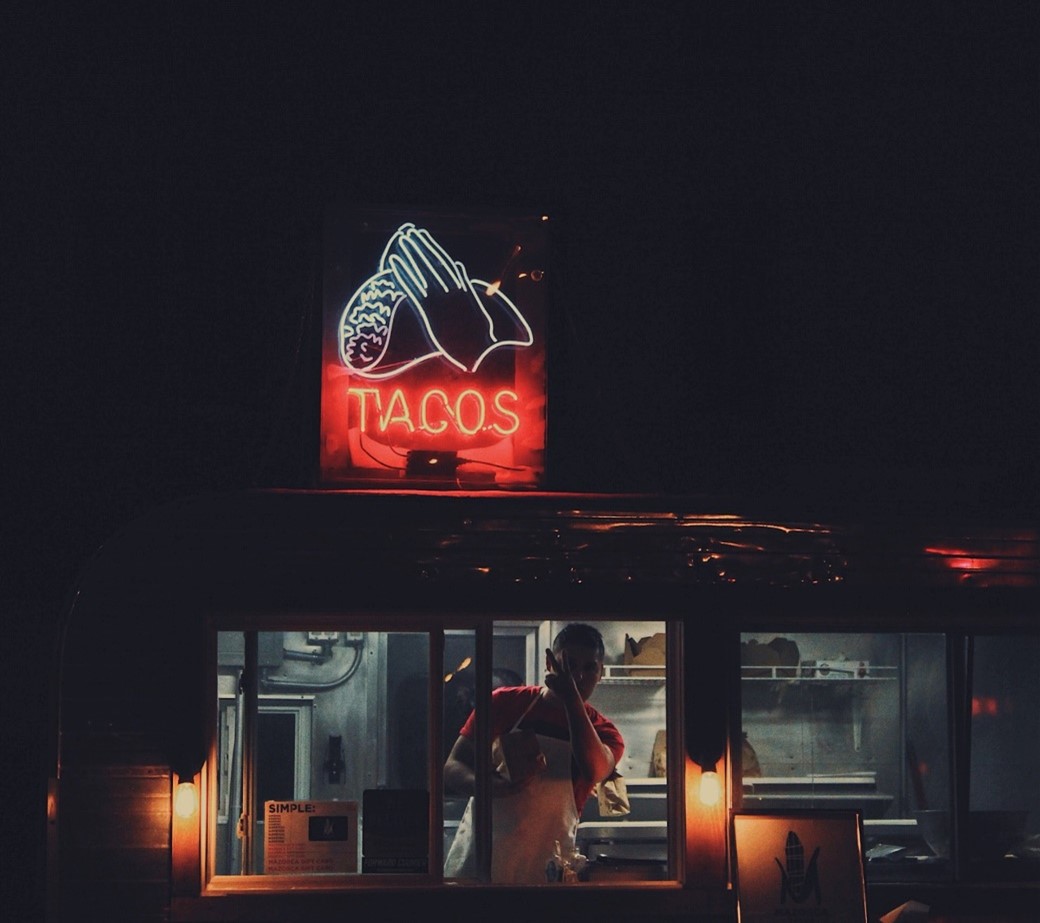
Photo by TJ Dragotta on Unsplash. Free to use
Los Angeles nightlife presents also the perfect backdrop for celebrities, Hollywood starlets and some upcoming B-listers to follow or set the new trend. The list of L.A.s hottest venues where you might encounter your favorite VIP is almost endless.
- Dance Clubs: Playhouse, Crocker Club, Poppy, Exchange, Warwick and The Mayan are some of the most popular clubs in Los Angeles.
- Bars and Lounges: for all non-dancers Thunderbolt, Melody, All Season Brewing, The Library Bar and the Jimmy Buffet’s Margaritaville are our bar recommendations.
- Live Entertainment: if you can make a reservation on time, do not miss out on L.A. entertainment scene. Check out the L.A. LIVE, the Microsoft Theater and the Grammy Museum.
- Comedy Clubs: many comedians have jump-start their careers in Los Angeles, if you’re in the mood for a laugh swing by the Laugh Factory and the Hollywood Improv.
Sports in Los Angeles
Los Angeles is a popular tourist destination for a wide variety of reasons. The city simply has that much to offer, including something for sports fans. L.A. is the homebase of many sport teams (which are attractions in and of themselves) and regularly hosts great sport events. So, for those who enjoy stadium tours and a good ol’ game of baseball, basketball, football, ice hockey etc. – this one is for you.
Baseball
Baseball fans all over the world have probably heard of the Dodger Stadium. The Dodger Stadium, home to the L.A. Dodgers, is one of the most well-known baseball pitches in the US as well as the filming location of some old-time favorites like The Fast and The Furious, City of Angels and Superman Returns.
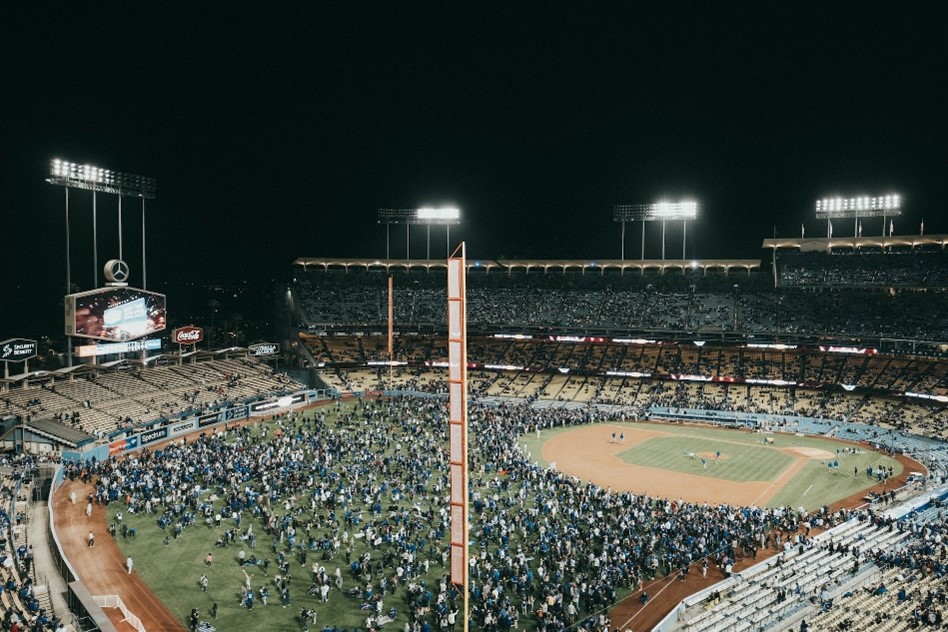
Photo by Hank Paul on Unsplash. Free to use
But if you’re in Los Angeles and you’re a baseball fan, you might as well round up your trip with the Angel Stadium of Anaheim, or The Big A, home to the Angels since 1966. You might even catch a SoCal baseball game – this is one of the US travel baseball organizations, that focuses on student-athletes.
Basketball
Looking for a must-see spot to make your basketball buddy happy? The Staples Center in Downtown L.A. is where to go. This is home to the L.A. Lakers, who have given to the fans some of most famous basketball players in the world: Magic Johnson, Kobe Bryant, Kareem Abdul-Jabbar and Shaquille O’Neal.
Currently, LeBron dominates the scene – securing tickets to see the Lakers play at the Staples Center is your key to the opportunity to watch him play live.
American Football
Two NFL teams call Los Angeles home: the Los Angeles Rams and the Los Angeles Chargers. The former home of the Rams is also in L.A. - the Los Angeles Memorial Coliseum, which is the oldest football stadium in the National Football League and definitely worth a visit.
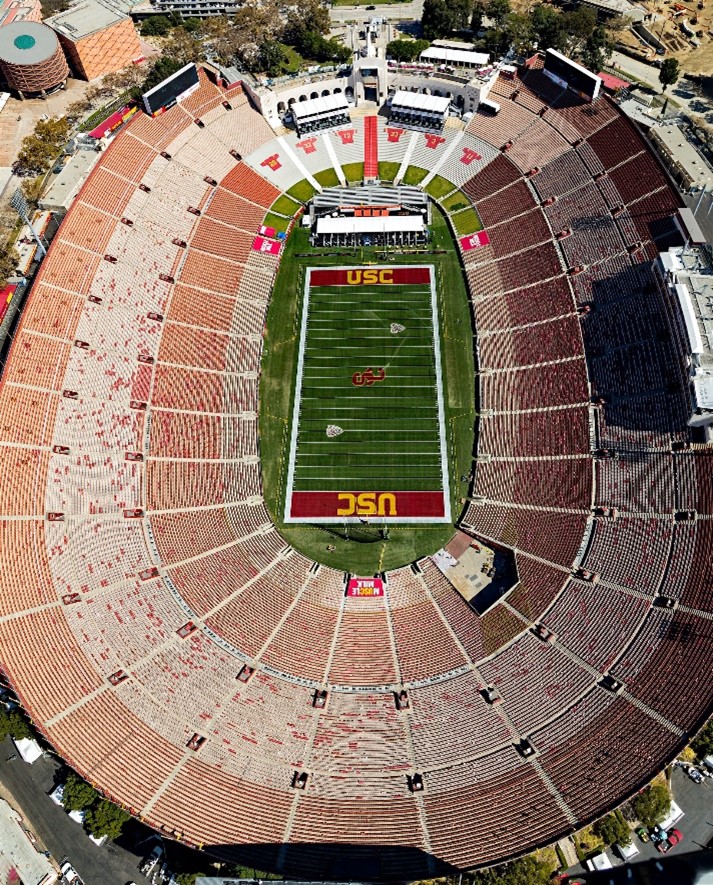
Currently, the two NFL teams share the SoFi Stadium in Inglewood. The SoFi Stadium is the newest and largest stadium to ever host NFL games. To give you an idea of its size, the stadium is three times the size of Disneyland
Ice Hockey & Soccer
Although ice hockey is less popular than American football here, L.A. is in fact home to the L.A. Kings and the Anaheim Ducks. This means that if you’re a hockey fan, the city still has plenty to offer you. To catch one of these NHL team games live, we recommend heading to the Crypto.com Arena or the Honda Center.
In short, fans of all sports with be able to find something to enjoy during their visit of L.A.. Los Angeles is home to at least one top league team from every premier American sport - with a recent new addition! L.A. is now also home to a professional soccer club, Los Angeles FC, which competes in the Major League Soccer (MLS). So, soccer lovers, don’t forget to swing by the Bank of California Stadium. This is the first open-air stadium to be built in Los Angeles since 1962 and its opening ceremony in 2016 was groundbreaking. The stadium is also conveniently located next to the Coliseum.
Visit Los Angeles and bring us with you!
We hope you enjoyed this comprehensive tourist guide of Los Angeles and we convinced you to visit this wonderful Southern-Californian city. Remember to check this space regularly for news and updates about the city of angels, because new and intriguing events and venues open up every day. And if you feel inclined to it, write to us with your tips and tricks for getting the most out of a holiday in L.A.!
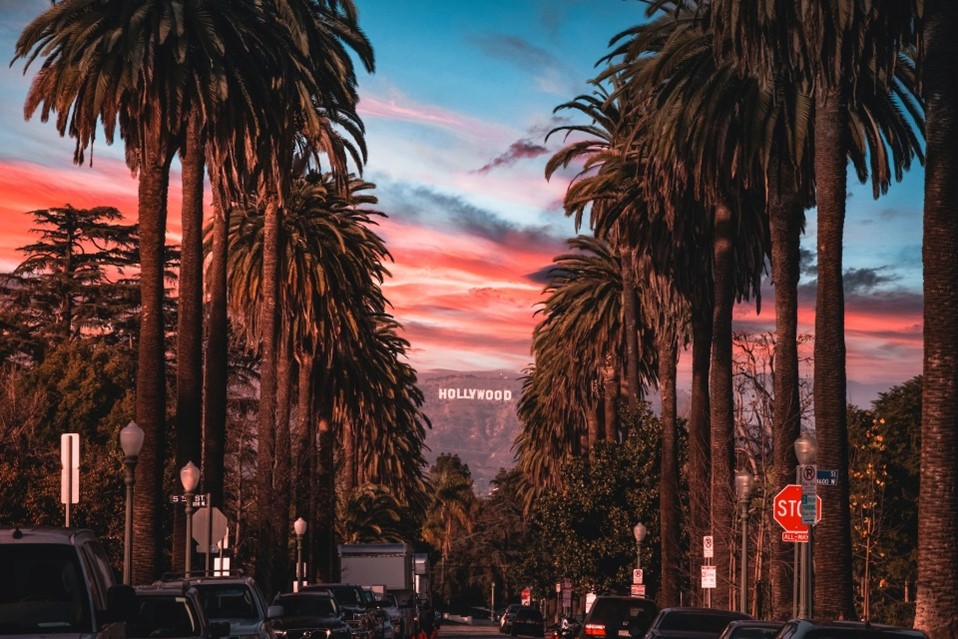
Photo by Jake Blucker on Unsplash. Free to use